Conservation as Storytelling: ARPO in conversation with the Center for Critical Conservation
The Center for Critical Conservation, a Swiss research project at Bern Academy of the Arts rethinking conservation beyond objects, speaks with ARPO founder Sruthin Lal.
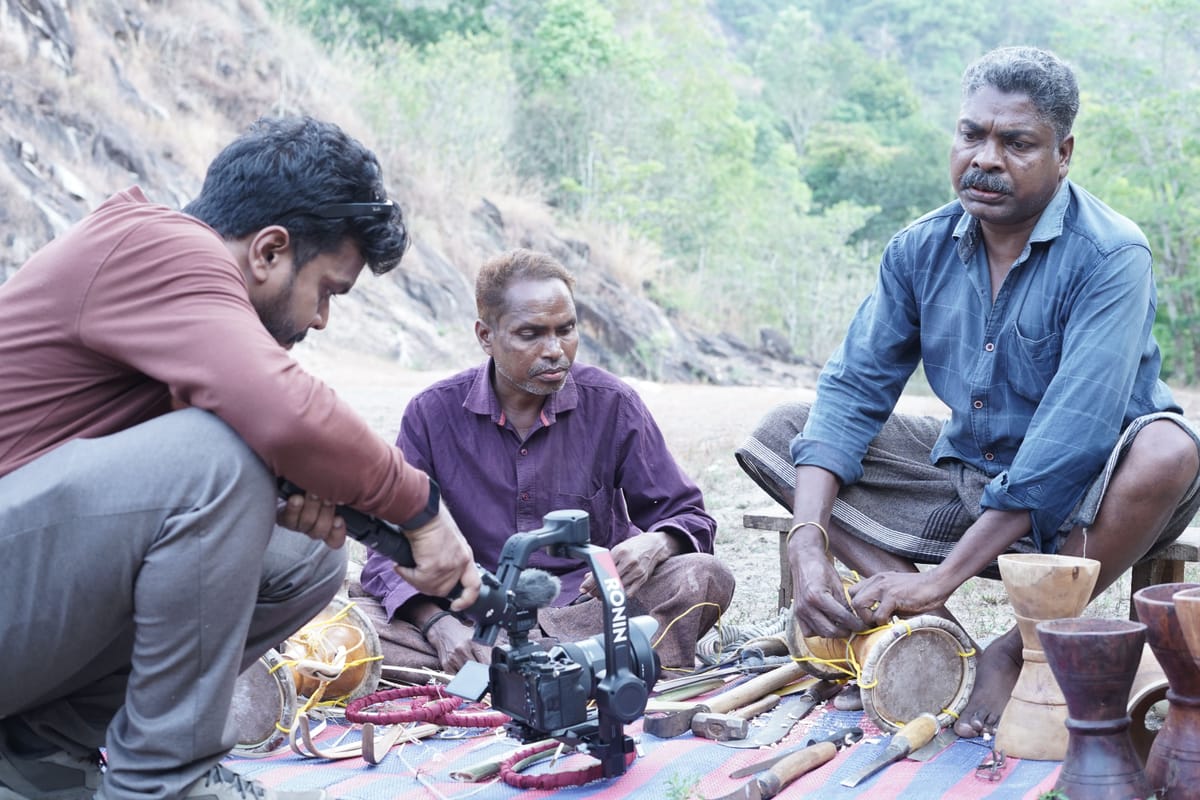
The Center for Critical Conservation has published a conversation with ARPO founder Sruthin Lal, Conservation as Storytelling. Its central argument: how a song, ritual or craft is recorded, filmed and shared is part of whether it survives. Storytelling is not what happens after conservation. It is one way conservation is done.
The conversation covers a few core points:
- Caste shapes whose knowledge counts. Much of what ARPO documents belongs to Adivasi and other marginalised communities. When a tradition has been looked down on for generations, its own younger members can stop valuing it. Careful storytelling can help reverse that.
- Documentation is not neutral. ARPO spends three to four months mapping a community's voices before filming. Communities review early cuts, can ask for changes or for material to stay private, and sometimes several versions of a song or ritual are recorded instead of one "official" one.
- Guardianship is contested. Elders, practitioners and the wider community don't always agree on who owns a tradition. Those tensions are part of the work, not obstacles to it.
- Aesthetics as recognition. ARPO gives marginalised traditions the production quality usually reserved for classical forms. A film on a Paniya jewellery tradition, following a young woman learning the craft, reached millions of views on Instagram and changed how young people in the community saw it.
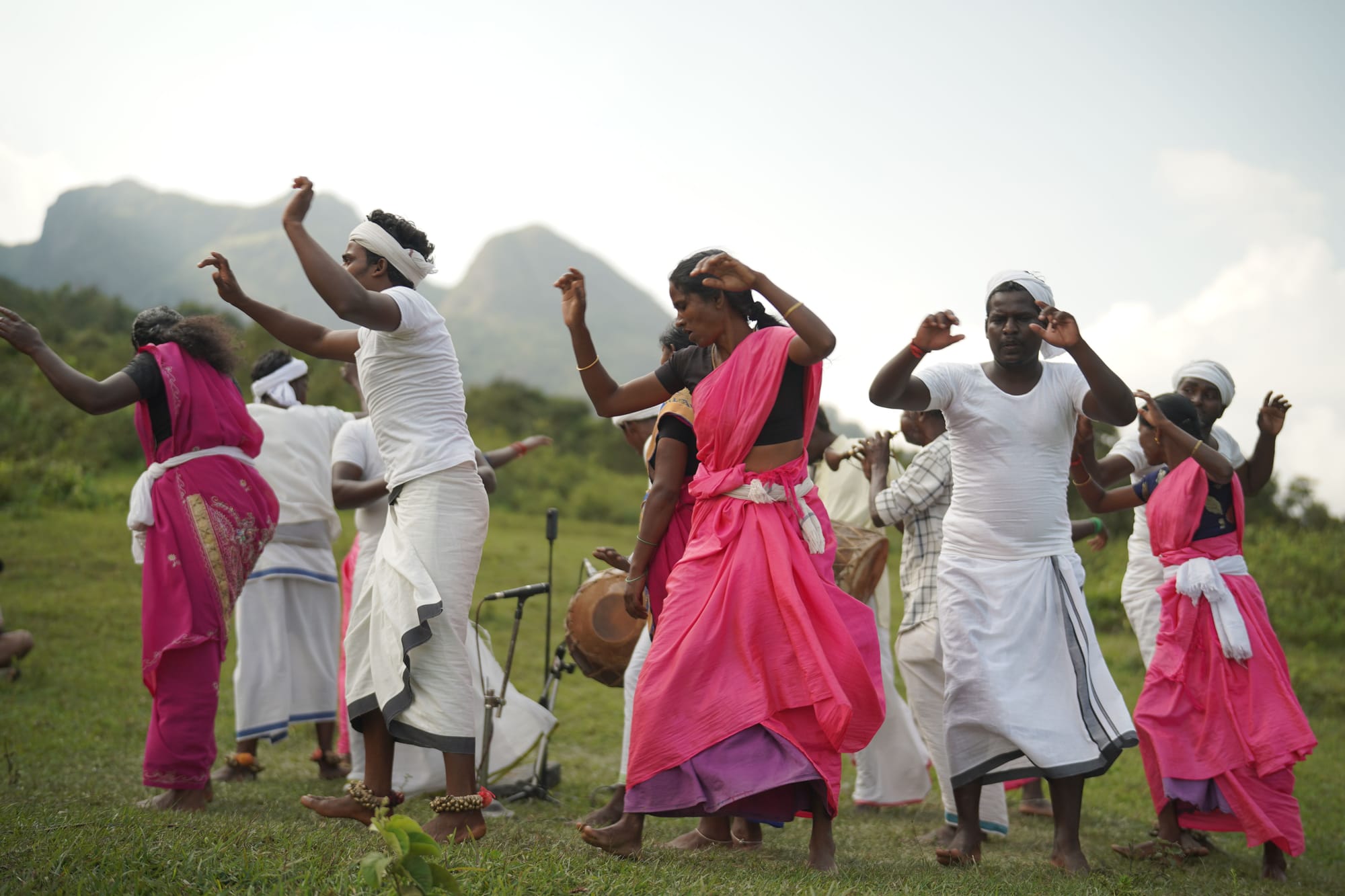
- Heritage doesn't split into tangible and intangible. In Kerala's sacred groves, ritual, landscape and ecology are tied together. The periodic rebuilding of sacred structures also sits uneasily with conservation that prizes original material.
- Archives raise new questions. Who can access the recordings, who gets credit, and whether a popular recording might fix a tradition that was always performed differently.
- Who gets to produce heritage knowledge. Local knowledge still tends to count only after institutions sign off on it, a colonial hierarchy that persists. Journalists, filmmakers, practitioners and communities produce this knowledge too.
For the full conversation, read the original article: Conservation as Storytelling: A conversation with Sruthin Lal of The Archival and Research Project (ARPO), Center for Critical Conservation.