Bridging Traditions and the Future: Sharing ARPO’s Journey at CEPT University
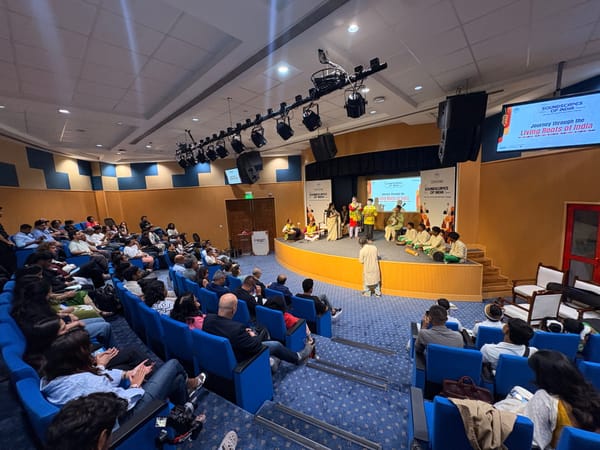
Recently, our Executive Director, Sruthin Lal, had the privilege of addressing the students at the prestigious CEPT University in Ahmedabad.
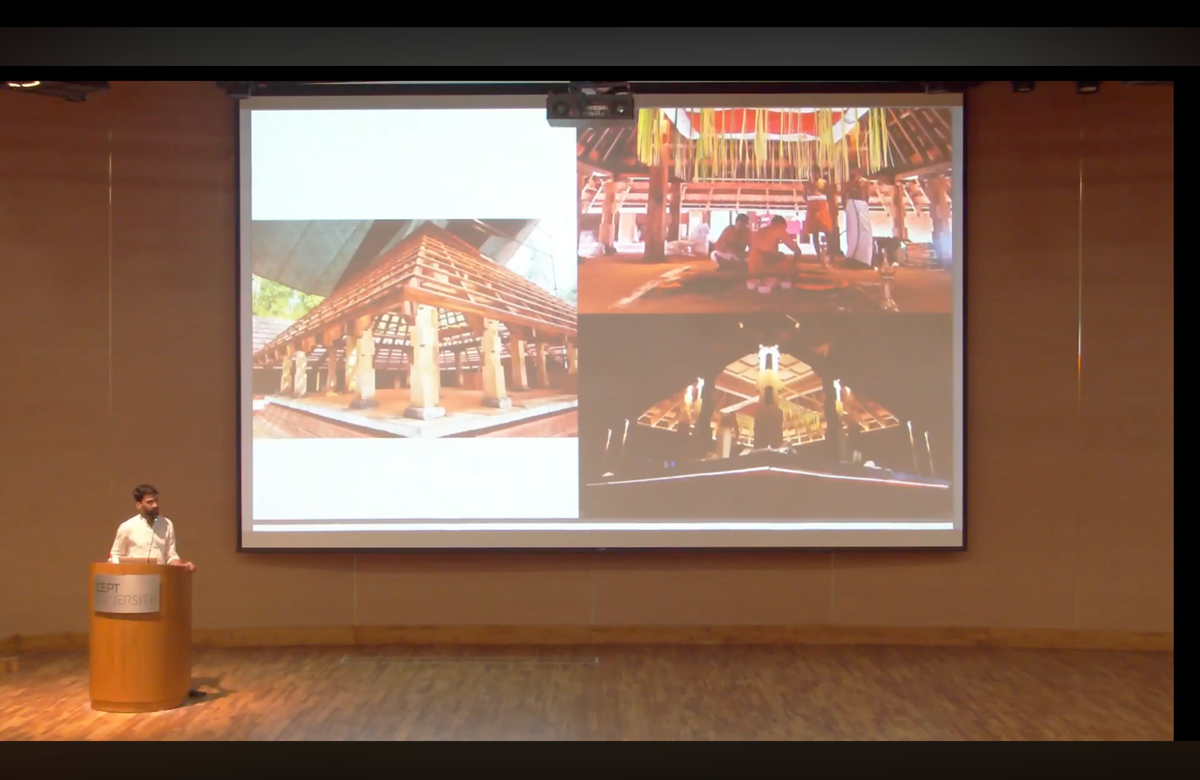
At the Archival and Research Project (ARPO), we have always believed that safeguarding our pluralistic heritage is not about looking back—it is about finding innovative ways to carry our living traditions forward into a modern, professional, and equitable landscape. Recently, our Executive Director, Sruthin Lal, had the privilege of addressing the students at the prestigious CEPT University in Ahmedabad. The talk served as a vital opportunity to raise awareness among future architects, planners, and conservationists about the intersection of grassroots cultural preservation and sustainable development.
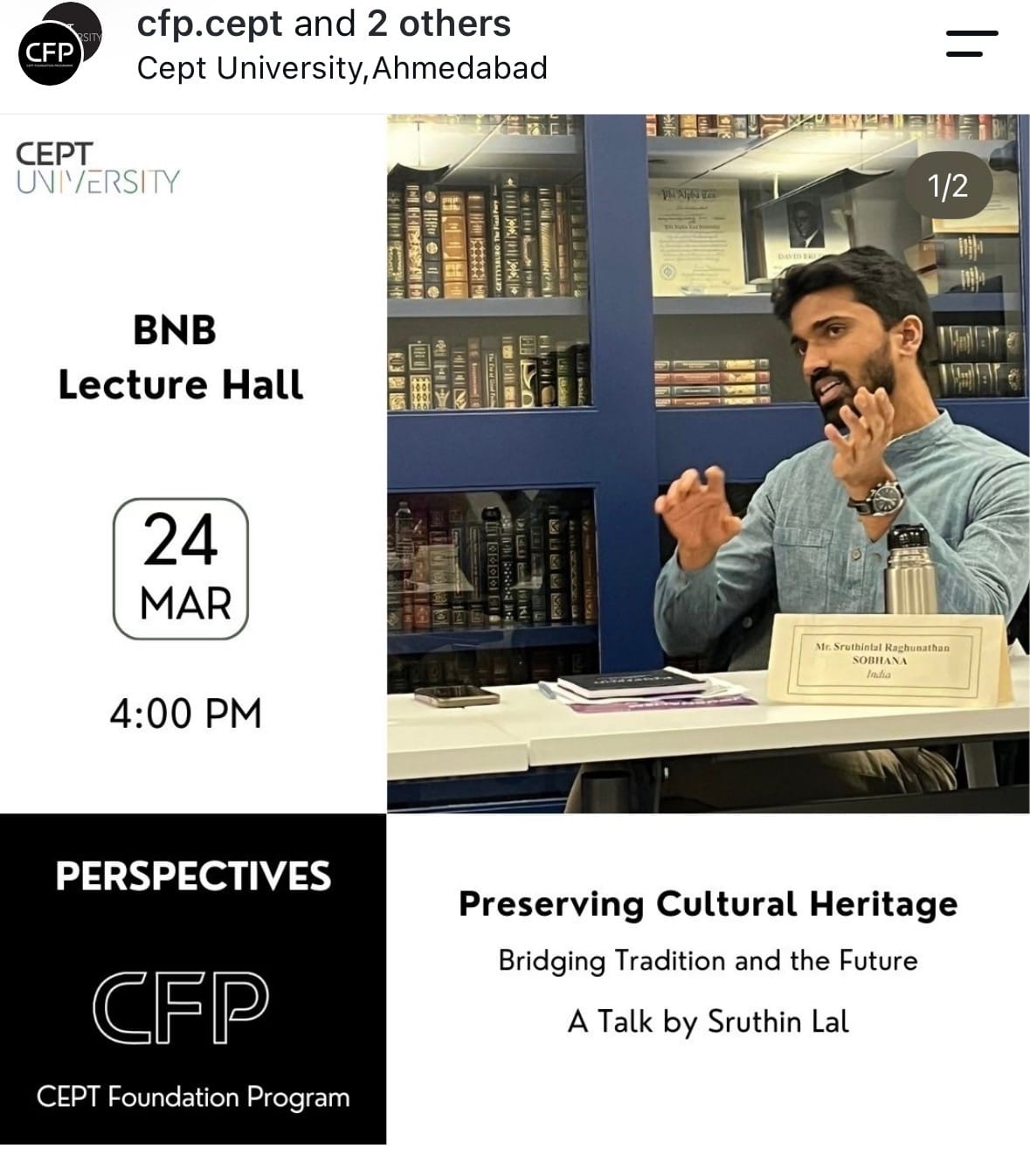
Speaking to the CEPT community, Sruthin shared his personal transition from journalism to cultural conservation, emphasizing that understanding our diverse history is essential for building an inclusive and climate-resilient future. He walked the audience through some of ARPO’s most proud achievements, including the scientific restoration of a decaying, traditional namaskara mandapam in Calicut. By bypassing modern materials like cement in favor of traditional lime plastering, organic ayurvedic wood oils, and authentic mud-and-cow-dung flooring, this local project went on to receive international acclaim, including an Award of Distinction from UNESCO.
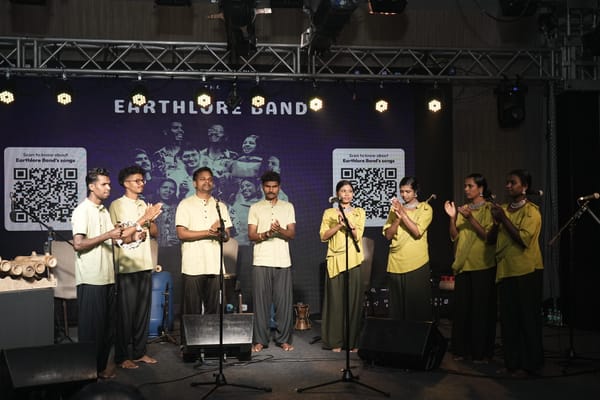
A central theme of the address was ARPO’s "principle of equity," which guides our focus toward marginalized and indigenous communities. Sruthin highlighted how the Earthlore project works to document, archive, and elevate the musical traditions of Kerala’s tribal communities, actively bridging their heritage with contemporary platforms. He also discussed how we are turning the tables on technology through the LoreKeepers project—using mobile phones to crowdsource and preserve over 1,500 vanishing oral folk songs and tales—and how our social venture, Gully Heritage, connects local practitioners with curated, ethical tourism. By sharing these real-world initiatives with the students at CEPT, we hope to inspire the next generation of spatial and cultural designers to integrate community-led, equitable conservation practices into their future work. Работа курьером сервисов доставки в городе Адлер