Entrepreneurship in the Cultural Economy: Notes from Kerala Startup Mission
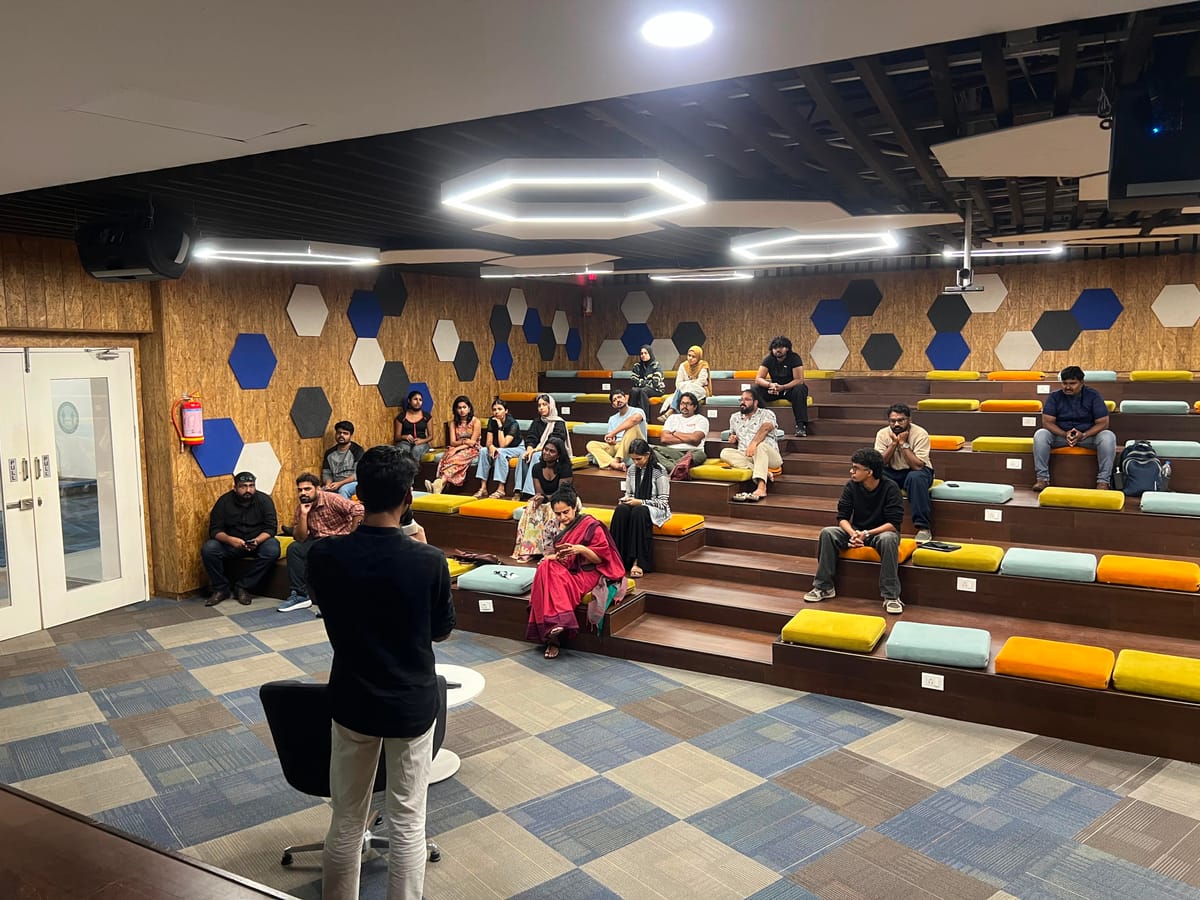
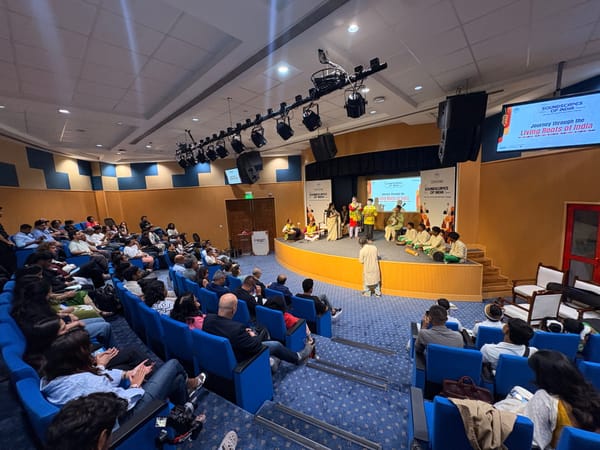
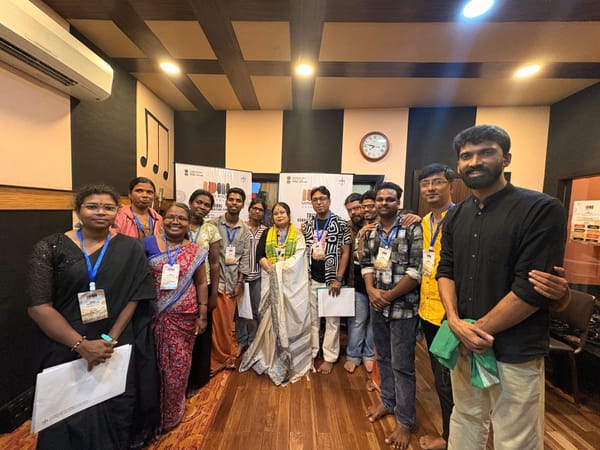
On 19 June 2026, Sruthin Lal, Executive Director of the Archival and Research Project (ARPO), was invited to speak at Kerala Startup Mission in Kochi as part of a session titled Preserving Culture, Preserving Kerala. What began as a conversation about heritage and documentation turned into a discussion about entrepreneurship, market gaps, and the economic potential sitting largely untouched inside India's cultural sector.
The Problem With How We Talk About Culture
Cultural preservation in India tends to get framed as a welfare concern; something the state funds, civil society manages, and the market ignores. This framing has costs. It positions communities as beneficiaries rather than economic actors, and it obscures the scale of what is actually at stake.
India's cultural sector; folk and tribal arts, oral traditions, indigenous craft, intangible heritage, community-based ecological knowledge, is vast. It involves millions of practitioners, touches nearly every district in the country, and sits at the intersection of tourism, education, media, healthcare, and local enterprise. It is also almost entirely unorganised, undercapitalised, and underserved by both policy and private investment.
That combination, Lal argued at KSIM, is precisely where interesting companies get built.
The Opportunities Entrepreneurs Are Missing
The conversation at KSIM surfaced several categories of opportunity that the room found compelling.
Community-authenticated craft and artisan marketplaces remain largely unbuilt at any meaningful scale. Existing platforms treat handmade and heritage products as an aesthetic category without addressing provenance, practitioner income, or community IP which means they capture consumer interest without creating real value at the source.
Documentation and archiving tools built for oral and non-textual knowledge systems do not exist in any serious form for the Indian context. The infrastructure needed; voice-first interfaces, community-controlled access layers, multilingual tagging, consent management requires both technical and cultural competence to build well.
Cultural tourism, despite significant government promotion, still largely treats practitioners as performers rather than economic stakeholders. The model where a community earns from its own heritage — on its own terms, through structures it controls remains the exception rather than the rule. Building those structures is both a social and a commercial problem.
Content ecosystems that allow communities to own, license, and monetise their knowledge are nascent. The creator economy has largely bypassed indigenous and folk practitioners, not because there is no audience, but because the platforms, the IP frameworks, and the intermediary trust structures do not yet exist.
Where ARPO's Work Becomes Relevant
This is the point at which ARPO's four years of non-profit work enters the entrepreneurship conversation in a direct way.
Building in this space is not simply a product problem. The hardest part is not the technology or even the market. It is the community relationship.
Gaining the trust of practitioners and communities to document their knowledge, license their work, or participate in a commercial ecosystem takes years of consistent, ethical, non-extractive engagement. Most startups do not have that runway, and most investors do not understand why it matters.
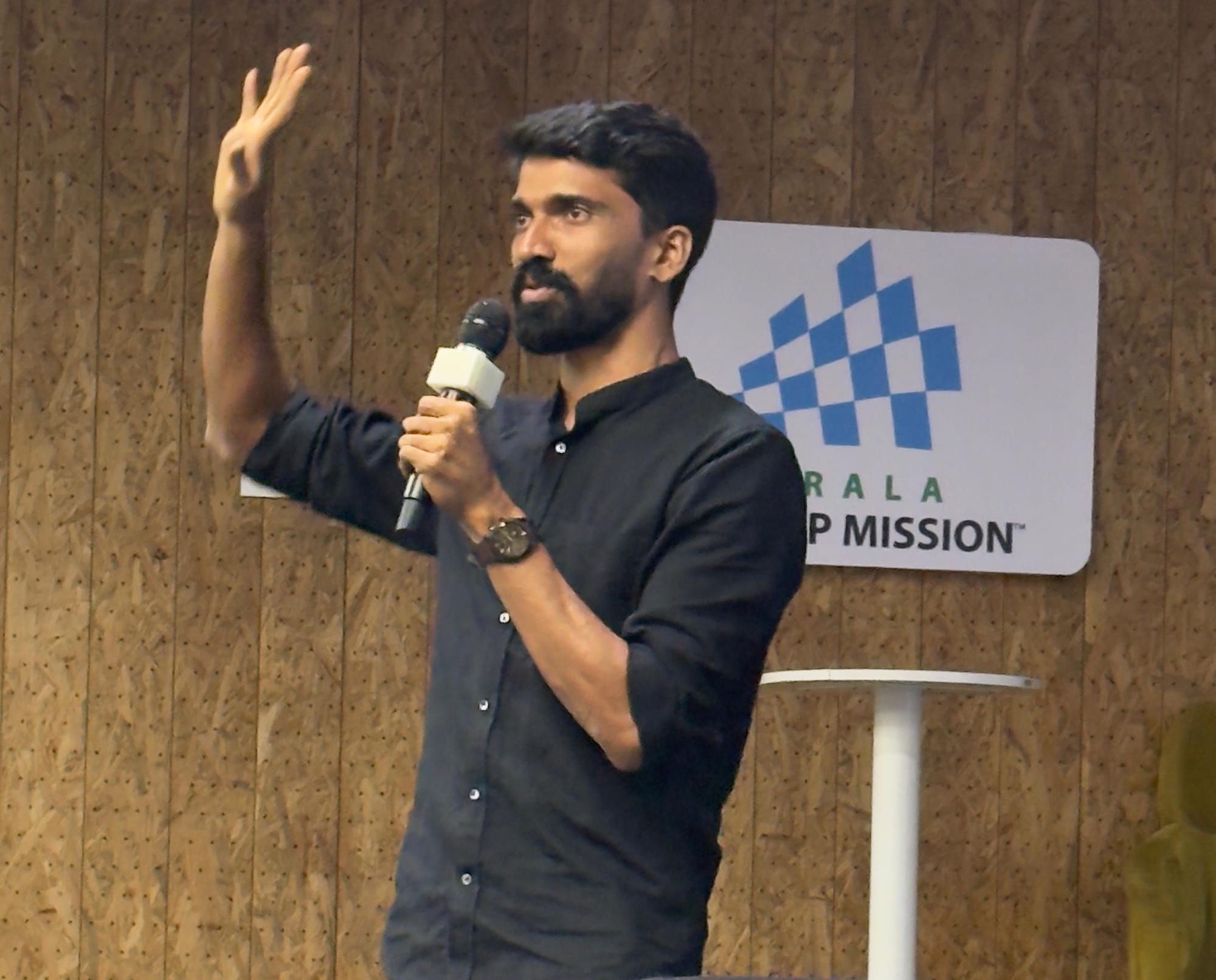
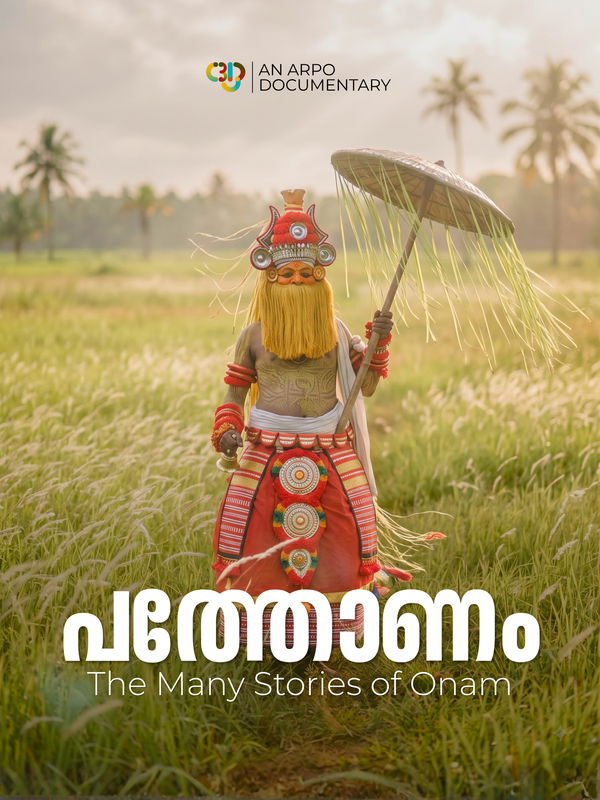
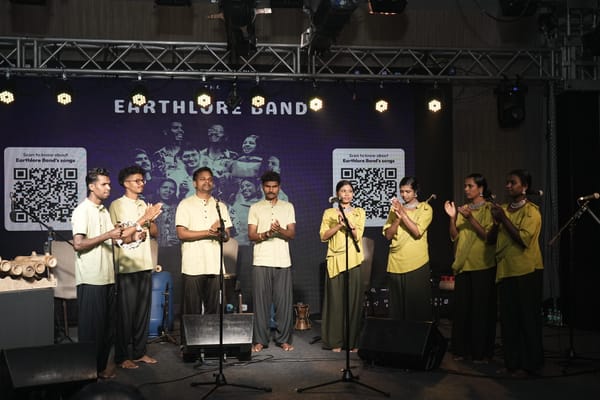
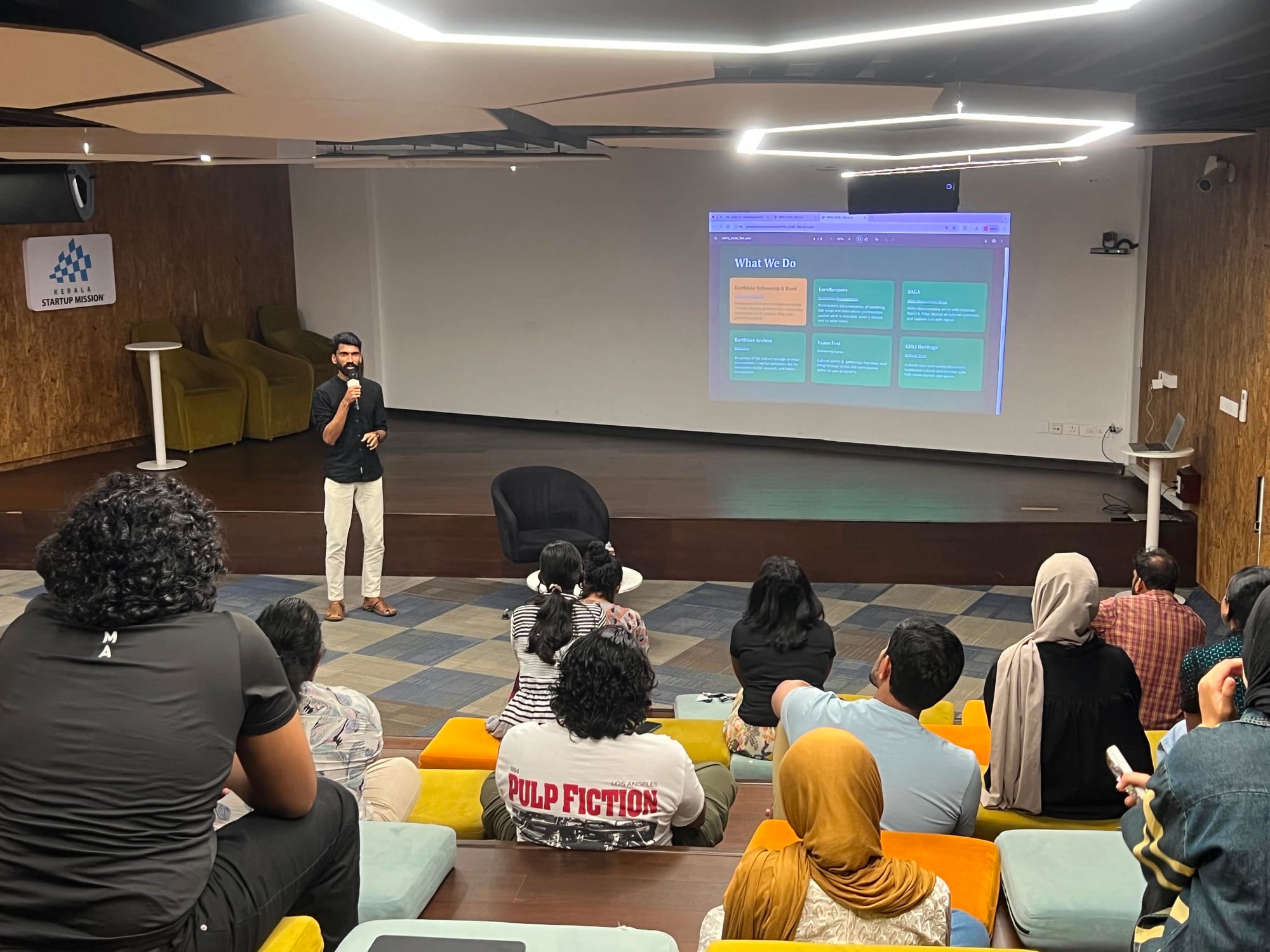
ARPO has spent four years building exactly that foundation. Through the Earthlore Fellowship, which supports tribal and indigenous artisans across music, performance, and cultural knowledge, the organisation has developed deep partnerships with practitioner communities across Kerala. Through LoreKeepers, it has built methodologies for consent-based documentation. Through its Cultural Tourism wing, GULI, it has begun creating models of engaging local heritage and communities in high-value tourism .
That accumulated work; the trust, the methodology, the field learning is infrastructure. It is the kind of foundation that a startup entering this space would otherwise need to build from scratch, at significant cost and with uncertain outcomes.
A Different Kind of Partnership Model
What emerged from the KSIM session was an articulation of a partnership model that is underexplored in the Indian development and innovation ecosystem. Non-profits like ARPO are not competitors to cultural economy startups. They are, potentially, the community-facing layer that makes those startups viable doing the relationship work, establishing the ethical frameworks, and holding the trust that commercial entities cannot easily build on their own timelines.
Conversely, entrepreneurs and investors bring something ARPO cannot: the ability to build scalable products, attract capital, and create sustained income streams for communities at a scale that grant-funded programmes alone cannot achieve.
The conversation at KSIM suggested there is genuine appetite on both sides for figuring out what this collaboration looks like in practice. ARPO is interested in finding the builders who see the opportunity in this space and in exploring what it would mean to build the cultural economy in a way that communities actually benefit from.
Those conversations can begin at arpo.in.